Your Cart is Empty

Your immune system is not something you “turn on” when you feel sick. It’s a dynamic, always-active network that depends heavily on one thing: how well your body is nourished every single day.
While many people think of immunity in terms of avoiding germs, the real foundation of immune strength is built long before exposure happens. It’s shaped by your nutrient status, your lifestyle, and how efficiently your body can respond to stressors.
In other words, your immune system follows a blueprint - and nutrition is what builds it.
The immune system is made up of multiple layers working together:
For these systems to function properly, they rely on a steady supply of nutrients that support:
Without the right building blocks, the immune system becomes either underactive (leading to frequent illness) or overactive (leading to inflammation and sensitivity).
Every immune response—whether it’s fighting off a virus or calming inflammation—requires energy, signaling molecules, and structural support.
Nutrient deficiencies can lead to:
This is why simply reacting to illness isn’t enough. The goal is to build a resilient immune system before challenges arise.
While many nutrients play a role in immunity, a few stand out as foundational for building and maintaining strong immune function.
Vitamin D is one of the most important nutrients for immune health, acting more like a hormone than a traditional vitamin.
Low vitamin D levels have been consistently linked to increased risk of infections and weakened immune response.
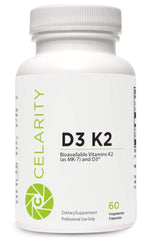
Vitamin K2 works alongside vitamin D3 to ensure proper calcium utilization in the body. Without K2, calcium can be misdirected, potentially impacting cardiovascular and bone health.
Together, D3 + K2 create a balanced approach—supporting immune function while maintaining overall physiological health.
Vitamin C is widely known for its immune benefits, but its role goes far beyond basic support.
Vitamin C is also essential during times of stress or illness, as the body uses it rapidly when fighting infections.
An often-overlooked benefit is its role in histamine regulation, helping reduce excessive immune reactions and supporting balanced responses.
Zinc is a critical mineral involved in nearly every aspect of immune function.
Even mild zinc deficiency can impair immune function, making it harder for the body to respond effectively to challenges.
While each of these nutrients is powerful on its own, their real strength lies in how they work together:
Together, they form a comprehensive immune support system that enhances both defense and regulation.
While targeted supplementation is helpful, it should be paired with foundational habits that support immune health:
These lifestyle factors amplify the effectiveness of nutritional support and help maintain long-term resilience.
Your body often gives subtle signals when immune function is not optimal:
Addressing these signs early can help prevent more significant health challenges down the road.
Your immune system is only as strong as the foundation you build for it.
Nutrition plays a central role in shaping how your body defends itself, responds to stress, and recovers from challenges. By ensuring adequate intake of key nutrients like Vitamin D3 + K2, Vitamin C, and Zinc, you give your body the tools it needs to function efficiently and effectively.
Rather than waiting until you get sick, focus on strengthening your immune system daily—because true health starts with preparation, not reaction.