Your Cart is Empty

Antibiotics and chronic stress can be lifesaving—or unavoidable—but both can take a serious toll on your gut health. If you’ve ever noticed digestive changes, low energy, brain fog, or increased sensitivity after a round of antibiotics or during a stressful season of life, your gut may still be trying to recover.
The good news? With the right strategy, you can rebuild, repair, and rebalance your gut—and restore the foundation of your overall health.
Your gut is home to trillions of microorganisms that regulate digestion, immune function, inflammation, and even mood. When this ecosystem is disrupted, the effects ripple throughout the entire body.
Antibiotics are designed to eliminate harmful bacteria—but they don’t discriminate. They can also reduce beneficial bacteria, leading to:
Even a single course of antibiotics can shift the microbiome for weeks—or longer.
Stress impacts the gut through the gut-brain axis, altering:
Over time, chronic stress can create the same type of gut dysfunction as poor diet or medications.
After antibiotics or prolonged stress, your gut may need support if you notice:
Even subtle symptoms can indicate deeper imbalance.
Rebuilding the gut isn’t about a quick fix—it’s about restoring balance in a structured way. A simple and effective approach includes rebalancing bacteria, repairing the gut lining, and supporting long-term resilience.
The first priority is restoring beneficial bacteria that were lost or disrupted.
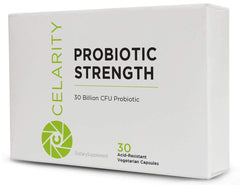
A high-quality probiotic is essential for reintroducing beneficial strains and supporting microbial diversity.
Probiotic Strength helps:
Reestablishing healthy bacteria is key to preventing opportunistic overgrowth and restoring normal gut function.
Once the microbiome is supported, the next step is healing the intestinal barrier.
Antibiotics and stress can damage the gut lining, leading to increased permeability. This allows unwanted particles to enter the bloodstream and trigger inflammation.
GI Repair is designed to support the structure and integrity of the intestinal lining using targeted nutrients:
Together, these ingredients help:
Strengthen the gut barrier Reduce inflammation Support long-term digestive resilience
Without repairing the gut lining, symptoms can persist even after the microbiome improves.
Once balance is restored, maintaining it is key.
These habits help sustain the progress you’ve made and prevent future imbalances.
Many people try probiotics alone and feel only partial improvement. That’s because rebalancing bacteria without repairing the gut lining leaves the foundation weak.
By combining:
…you address both the ecosystem and the structure of the gut—leading to more complete and lasting results.
Gut recovery is not overnight. Depending on the level of disruption, it may take:
Consistency is key. The gut responds best to steady, supportive habits rather than extreme or short-term interventions.
Antibiotics and chronic stress can disrupt your gut—but they don’t have to define your long-term health.
By rebuilding your microbiome, repairing your gut lining, and supporting your body with targeted nutrients and lifestyle changes, you can restore balance and feel like yourself again.
Your gut is the foundation of your immune system, energy, and overall well-being. When you support it properly, everything else starts to improve.