Your Cart is Empty
Aging doesn’t happen overnight, and it doesn’t happen randomly. One of the most powerful drivers of cardiovascular aging is oxidative stress, a process that slowly damages blood vessels, heart tissue, and cellular energy systems over time. While this process is natural to a degree, modern lifestyles dramatically accelerate it.
Understanding oxidative stress - and how to counter it - can play a major role in protecting heart health, circulation, and long-term vitality.
Oxidative stress occurs when the body produces more free radicals than it can neutralize with antioxidants. Free radicals are unstable molecules created during normal metabolism, but they increase significantly due to:
When left unchecked, free radicals damage cells, proteins, and DNA, especially within the cardiovascular system.
1. Damage to Blood Vessels
Free radicals attack the delicate lining of blood vessels (the endothelium), impairing nitric oxide production. This reduces vessel flexibility, increases stiffness, and raises blood pressure, key markers of cardiovascular aging.
2. Increased Inflammation
Oxidative stress and inflammation fuel each other. Chronic oxidative damage activates inflammatory pathways that contribute to plaque buildup, arterial thickening, and reduced circulation.
3. Oxidized LDL Cholesterol
It’s not just cholesterol levels that matter; it’s oxidized LDL that poses the greatest threat. Oxidative stress transforms LDL into a form more likely to stick to artery walls and trigger immune responses that accelerate atherosclerosis.
4. Mitochondrial Decline
Heart cells rely heavily on mitochondria for energy. Oxidative damage weakens mitochondrial function, reducing cellular energy production and contributing to fatigue, reduced cardiac output, and age-related heart decline.
Targeted nutritional support can significantly reduce oxidative burden and support heart aging from the inside out.
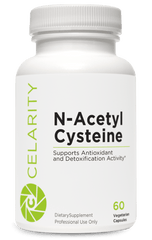
NAC is a precursor to glutathione, the body’s most powerful internal antioxidant. Rather than supplying glutathione directly, NAC helps your body produce it naturally—where and when it’s needed.
Benefits for cardiovascular health include:
Vitamin C is a water-soluble antioxidant essential for protecting blood vessels from oxidative damage. It also helps regenerate other antioxidants and supports collagen production for healthy arterial walls.
Key cardiovascular benefits:
CoQ10 is critical for mitochondrial energy production, especially in heart muscle cells. Levels naturally decline with age and are further depleted by statin medications.
Cardiovascular benefits of CoQ10 include:
Supplements work best when paired with foundational habits that limit free radical overload:
These strategies help shift the body from a state of constant damage control into one of repair and resilience.
Cardiovascular aging isn’t inevitable, it’s influenced by how well your body handles oxidative stress over time. By supporting antioxidant defenses, mitochondrial energy, and vascular integrity, you can protect heart function well into later decades.
Targeted nutrients like NAC, Vitamin C, and CoQ10, combined with intentional lifestyle choices, help slow the biological aging of the cardiovascular system and support long-term heart health, naturally and proactively.