Your Cart is Empty
Glutathione is often called the body’s “master antioxidant,” and for good reason. It plays a critical role in detoxification, immune defense, and protecting cells from oxidative stress. Because of this, many people reach straight for glutathione supplements when they want to support detox or immune health.
However, what many don’t realize is that taking NAC (N-acetyl cysteine) is often a more effective and biologically sound way to raise glutathione levels, while providing additional benefits glutathione alone can’t offer.
Let’s explore why NAC is frequently the better choice and how it supports your body at a deeper level.
Glutathione is a powerful antioxidant made inside your cells. It is composed of three amino acids:
Glutathione is essential for:
The challenge? Glutathione levels naturally decline with age, stress, illness, and toxin exposure.
While glutathione is incredibly important, supplementing with it directly isn’t always the most efficient approach.
Glutathione is a large, fragile molecule. When taken orally, much of it is broken down in the digestive tract before it can reach cells intact.
Even if some glutathione is absorbed, it still must cross cell membranes to be useful, something it doesn’t do efficiently.
Supplemental glutathione tends to increase blood levels temporarily, without consistently improving long-term intracellular glutathione status.
This is why some people don’t feel noticeable benefits from glutathione supplements alone.
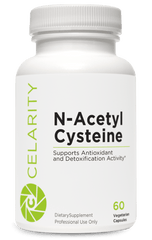
NAC is a stable, bioavailable form of the amino acid cysteine, the most critical building block for glutathione production.
Instead of supplying glutathione from the outside, NAC provides the raw material your cells need to make glutathione internally, where it’s most effective.
Cysteine availability is the limiting factor in glutathione synthesis. NAC directly addresses this bottleneck, allowing your cells to naturally produce glutathione on demand.
This leads to:
Glutathione is heavily used during Phase II liver detox, where toxins are bound and prepared for elimination.
NAC:
This is why NAC is widely used in clinical settings for toxin exposure and liver support.
Beyond glutathione production, NAC can:
This dual action makes NAC especially valuable during periods of high inflammation or toxin exposure.
NAC has mucolytic properties, meaning it helps thin mucus and improve airway clearance. This is one reason it’s been extensively studied for respiratory support. It also: Modulates immune response Helps reduce excessive inflammation Supports immune resilience These benefits go beyond what glutathione supplementation alone can offer.
NAC helps regulate glutamate, a key neurotransmitter involved in mood, focus, and stress resilience. Research has shown benefits in:
This makes NAC particularly useful in modern environments with heavy chemical and neurological stressors.
Your body is designed to regulate glutathione production based on need. By supplying NAC:
This self-regulating system is far more efficient than trying to force glutathione into cells from the outside.
This doesn’t mean glutathione has no place. Certain delivery forms (such as IV glutathione) can be useful in specific clinical situations. However, for daily, long-term support, NAC is often:
NAC is especially helpful for individuals experiencing:
It’s also a powerful foundational nutrient for anyone focused on longevity and cellular health.
Glutathione is essential—but NAC is the smarter way to support it.
By providing the critical building block your cells need to make their own glutathione, NAC delivers deeper, longer-lasting benefits for detoxification, immune function, respiratory health, and oxidative stress.
Rather than chasing antioxidants from the outside, supporting your body’s natural systems from within is often the most effective strategy.
At NuVision Health Center, we focus on approaches that work with your biology, so your body can protect, repair, and thrive naturally.