Your Cart is Empty
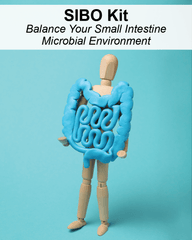
We tell our patients all the time that a diverse microbiome is crucial for wellbeing. Unfortunately, sometimes you can have an excessive amount of bacteria in the small intestine, and that isn’t a good thing. (1) This condition is known as SIBO, or small intestinal bacterial overgrowth. Many people have never heard of this issue, and even if they have, they haven’t received a diagnosis or treatment.
There are some SIBO symptoms you should be aware of and treatments that can remedy the issue. Let’s dive in, and learn more about this often undiagnosed condition.
SIBO occurs when your gut microbiome is not balanced and too much bacteria resides in the small intestine. This type of bacteria isn’t typically found in this area of the digestive system and can cause a host of complications and problems. (2)
Since the small intestine is the longest part of the digestive tract, the food you consume combines with digestive juices for nutrients to be absorbed throughout the bloodstream. Typically, you don’t have a large number of bacteria in the small intestine. When SIBO develops, food in the small intestine becomes a target-rich environment for bacteria to breed and produce toxins. (3) This process can also cause issues with nutrient absorption.
There are some major signs to watch for concerning SIBO. If you have these and they don’t seem to be getting any better with time, you may want to contact a functional medical practitioner to see if you have SIBO.
Some people notice they aren’t hungry or as hungry as they have been in the past. (4) They may describe it as feeling full most of the time and not requiring as much food.
Now, we have often mentioned the connection between the brain and gut. Since these are connected, it may come as no surprise that SIBO can affect thinking skills and cause issues that some refer to as brain fog. They may experience impaired judgment, short-term memory issues, and a hard time concentrating. (5)
Many of the people who notice this explain that they struggle the most shortly after consuming a meal. Others say it happens throughout the day.
Many people don’t know this, but SIBO can result in extreme fatigue. Sometimes this occurs right after eating. This can be both mental and physical fatigue, causing things like poor endurance, feeling quickly overwhelmed, decreased coordination, and slow reflexes. (6)
SIBO can cause noticeable changes in your mental health and emotional regulation. As we noted, since the brain and gut are strongly in sync, a dysbiosis in the gut can impact your mood, altering serotonin production. You may experience things like anxiety and depression linked to SIBO. (7)
One of the main problems caused by SIBO is nutrient malabsorption. It can severely deplete vitamins A, D, E, B12, and iron. Your body simply cannot appropriately break down foods into nutrients so you become deficient. (8)
Another issue that you may notice is unexplained nausea, especially after eating. That may be accompanied by persistent belching, gas, and abdominal pain and bloating. (9)
We saved one of the most common conditions attributed to SIBO for last. Some patients are often misdiagnosed and told they merely have IBS and will have to adjust and learn to live with it. Sometimes the real issue at hand is SIBO. Patients have mentioned having bouts of constant diarrhea after eating or drinking. Sometimes this can be combined with episodes of constipation, which may be confusing.
Yes, there are treatment options for SIBO, regardless of what you may have been told. While it isn’t the best news to receive, getting a clear diagnosis can help you find the right treatment.
One of the ways of treating SIBO is with a specific diet. Some doctors use a low FODMAP diet and gluten-free options. To make it easier, both of these include lowering the amount of carbs you consume because this starves the bacteria. It leads to less fuel for the bacteria in your small intestine, which means fewer reproductions.
You should avoid starches, sugars, and legumes, even the ones that can be very healthy for you. These foods are known to feed the bad bacteria.
You also want to eat specific foods that nourish the body. That means consuming nutrient-dense foods that won’t cause bacterial reproduction.
There are some antibiotics used to treat SIBO because they can target the bad bacteria, but we advise caution with this practice, as these medications can also kill off good bacteria and cause a major disruption in your digestion. Antibiotics can also attack healthy digestive enzymes, so we recommend pursuing holistic approaches first in most situations.
Abstaining from foods for a while can help reset your gut health and have a tremendous impact on your overall well-being. This practice gives your digestion a break and allows it to rest. It also promotes gastrointestinal motility, which helps ensure a healthy digestive system.
Supplementation can be crucial to reverse SIBO. You want to heal the gut lining and treat leaky gut symptoms. You also need to clear out the bad bacteria that are causing the discomfort. Now, some people start taking a probiotic and think it makes their SIBO issues worse, but that could be because some probiotics contain prebiotics, which end up feeding the bacteria, allowing the vicious cycle to continue. Taking proper enzymes is essential during this time as well. What we help our patients do is create a reset for the gastrointestinal tract. We use our specifically formulated SIBO kit that contains all the supplementation we recommend to help reverse this condition. It also comes with training videos, meal plans, food tips, and educational content to help you through this journey.
SIBO can be a difficult issue, and it takes some time to reverse it. Many people see improvement but stop after a few months. We encourage our patients to keep going and continue with the steps we’ve outlined to heal and recover. Yes, it will take a little time and patience, but we have seen numerous people become healthy again using these natural techniques.
If you’d like to learn more about how we treat people with holistic methods, please contact us today for information on functional medicine and nutrition.
Reference
https://www.eatingwell.com/sibo-symptoms-11720337
https://www.ncbi.nlm.nih.gov/books/NBK546634/
https://oshihealth.com/conditions/sibo/
https://pmc.ncbi.nlm.nih.gov/articles/PMC6006167/
https://citynaturopathic.ca/sibo-fatigue-and-recovery/
https://pmc.ncbi.nlm.nih.gov/articles/PMC11242202/
https://my.clevelandclinic.org/health/diseases/21820-small-intestinal-bacterial-overgrowth-sibo
https://www.sjpp.org/digestive-health/conditions/small-intestinal-bacterial-overgrowth/
https://www.martinoclinic.com/post/fasting-can-help-relieve-sibo