Your Cart is Empty

Most people understand that eating fruits and vegetables is important for good health. However, many people don't realize that some of the produce they consume daily may also expose them to significant amounts of pesticide residues.
Each year, the Environmental Working Group releases its "Dirty Dozen" list—a ranking of fruits and vegetables found to contain the highest levels of pesticide residues after washing. While these foods can still be part of a healthy diet, repeated exposure to pesticides over time may contribute to inflammation, gut dysfunction, immune challenges, and an increased toxic burden on the body.
As research continues to uncover the connection between environmental toxins and chronic disease, reducing pesticide exposure has become an important strategy for supporting long-term health.
The Dirty Dozen is an annual list of produce identified as having the highest pesticide residues based on testing performed by the United States Department of Agriculture and the Food and Drug Administration.
While the list can vary slightly from year to year, common foods often include:
Many of these foods are otherwise highly nutritious, which is why the goal is not to avoid them entirely—but rather to reduce unnecessary pesticide exposure whenever possible.
The gut microbiome is home to trillions of bacteria that influence digestion, metabolism, immunity, mood, and overall health.
Unfortunately, many pesticides were designed to kill living organisms. While they target insects and pests, research suggests they may also negatively affect beneficial bacteria within the human digestive tract.
Over time, pesticide exposure may contribute to:
When beneficial bacteria decline, harmful bacteria can gain an advantage, creating imbalances that affect much more than digestion.
Because nearly every system in the body is connected to the gut, protecting the microbiome should be a priority for anyone seeking optimal health.
Many people are surprised to learn that approximately 70% of the immune system resides within and around the gastrointestinal tract.
The gut acts as a major communication center between the outside world and your immune system.
When gut health suffers, immune function often follows.
Chronic exposure to pesticides and other environmental toxins may contribute to:
A healthy gut microbiome helps train and regulate the immune system, ensuring that it responds appropriately rather than overreacting or underperforming.
Your body has built-in detoxification systems that work continuously to remove unwanted compounds.
The liver, kidneys, digestive tract, lymphatic system, skin, and lungs all play critical roles in detoxification.
However, today's environment presents challenges previous generations rarely faced.
In addition to pesticides, we're exposed to:
Over time, these exposures accumulate and may overwhelm the body's ability to efficiently eliminate toxins.
This increased toxic burden can contribute to:
One of the simplest ways to reduce pesticide exposure is to prioritize organic versions of the Dirty Dozen whenever possible.
Organic farming standards generally restrict the use of many synthetic pesticides and herbicides commonly used in conventional agriculture.
While eating conventional produce is still better than avoiding fruits and vegetables altogether, choosing organic versions of the highest-risk produce can significantly reduce toxic exposure over time.
If purchasing all organic produce isn't realistic for your budget, focusing on the Dirty Dozen is often a practical starting point.
One of the best ways to know exactly what you're putting into your body is to grow some of your own food.
Even a small backyard garden can provide:
Home gardening allows you to control what goes into the soil and onto the plants, helping reduce exposure to unwanted pesticides and chemicals.
In addition to the nutritional benefits, gardening can also encourage healthier eating habits and a greater appreciation for whole foods.
Another excellent option is purchasing produce from local farmers markets.
Many small farms use growing practices that are far cleaner than large-scale industrial agriculture, even if they are not formally certified organic.
Shopping locally allows you to:
Building relationships with local growers can be one of the most effective ways to improve food quality while supporting your community.
Even with the best efforts, avoiding all environmental toxins is nearly impossible.
That's why supporting the body's natural detoxification systems is so important.
Rather than relying on quick cleanses or juice fasts, a comprehensive detoxification program helps support the organs and pathways responsible for processing and eliminating toxins.
At NuVision Health Center, we believe detoxification should occur at the cellular level—not just within the digestive tract.
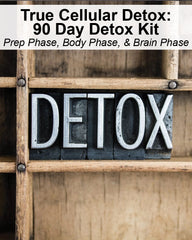
The Complete 90 Day Cellular Detox Kit was designed to help support the body's natural detoxification pathways while addressing the deeper toxic burden that can accumulate over time.
The program includes:
The preparation phase helps open detoxification and drainage pathways before deeper detoxification begins. Proper preparation is critical to help the body process toxins efficiently.
This phase focuses on supporting detoxification throughout the body while helping reduce inflammatory stress and promote healthy cellular function.
The brain is one of the most difficult tissues to detoxify. This phase focuses on supporting neurological health and helping the body address toxins that may contribute to brain fog, cognitive challenges, and neurological stress.
These targeted zeolite drops support detoxification and help the body process and eliminate accumulated toxic burden within the brain and body.
The Meta-Oxy Test Kit helps provide valuable insight into oxidative stress and toxic burden, allowing individuals to better understand their starting point and track progress.
Beyond supplementation, participants receive access to a comprehensive online educational program featuring:
This comprehensive approach helps individuals not only detoxify but also build sustainable habits that support long-term health.
The foods you eat should support your health, not increase your toxic burden.
While fruits and vegetables remain essential for wellness, pesticide exposure is a growing concern that deserves attention.
By prioritizing organic versions of the Dirty Dozen, shopping at local farmers markets, growing your own food when possible, and supporting your body's natural detoxification systems, you can significantly reduce your exposure to harmful compounds.
Small changes made consistently can have a profound impact on gut health, immune function, energy levels, and overall well-being.
Your body was designed to detoxify. Sometimes it simply needs the right support to do the job effectively.